

DaveInDenver
Rising Sun Ham Guru
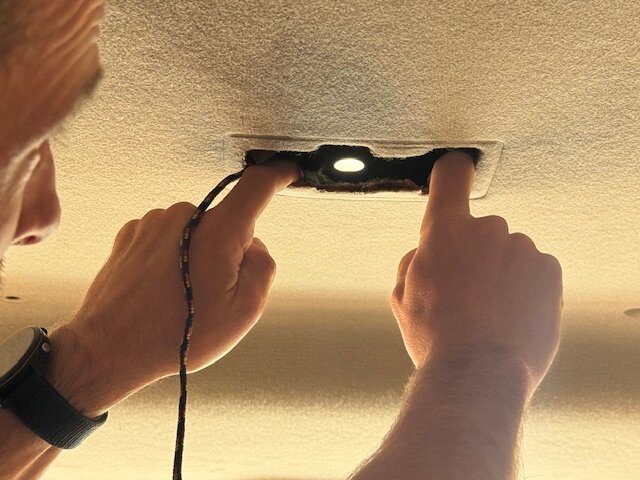
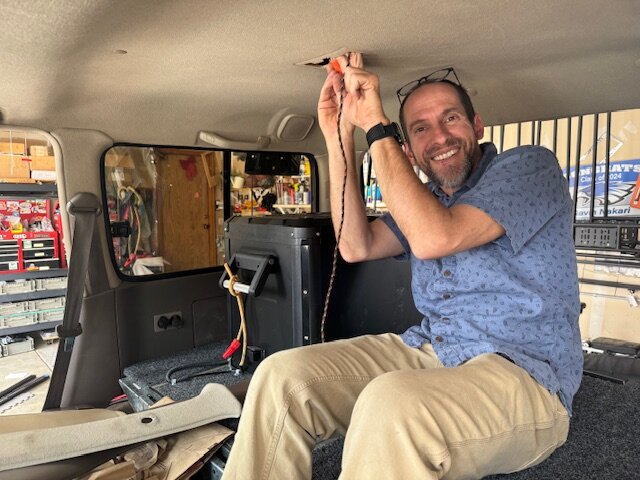
For this method you'll need to be able to get behind the headliner. You don't have to remove it completely.
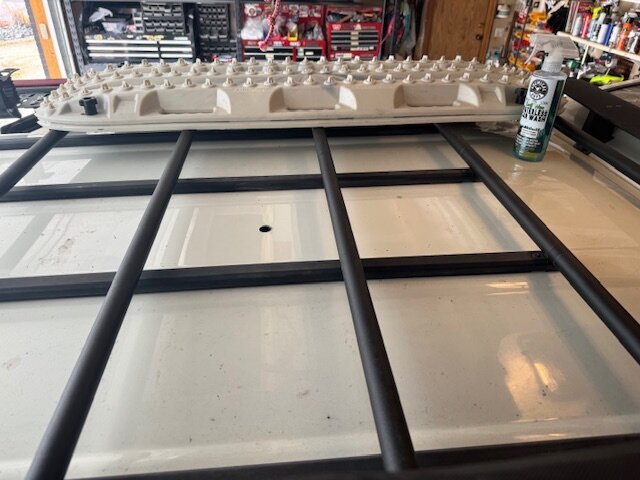
Generously cover area with masking tape and mark preferred location.
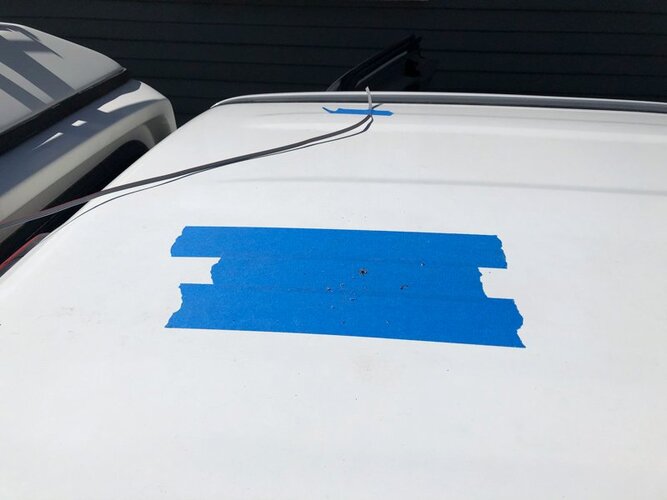
Do pilot.
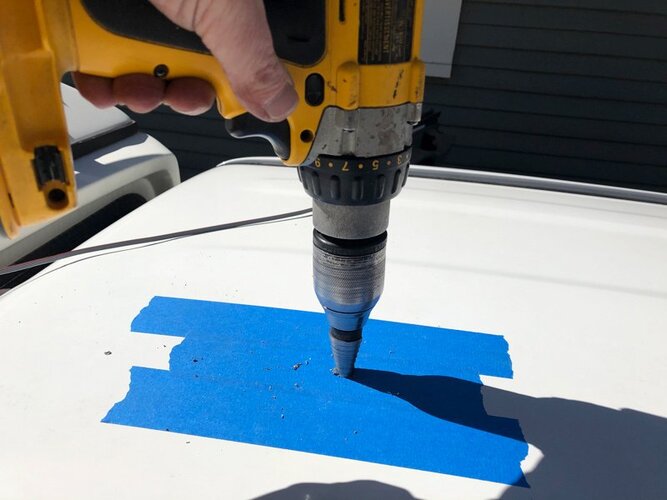
Punch hole. This is Greenlee 5003998 3/4" knockout.
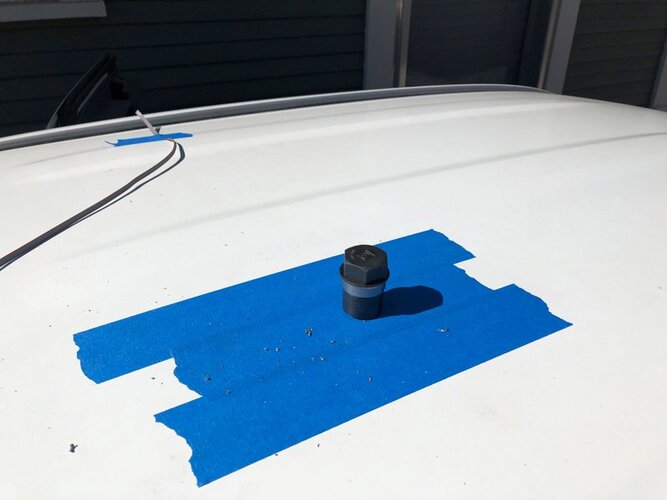
Clean hole.
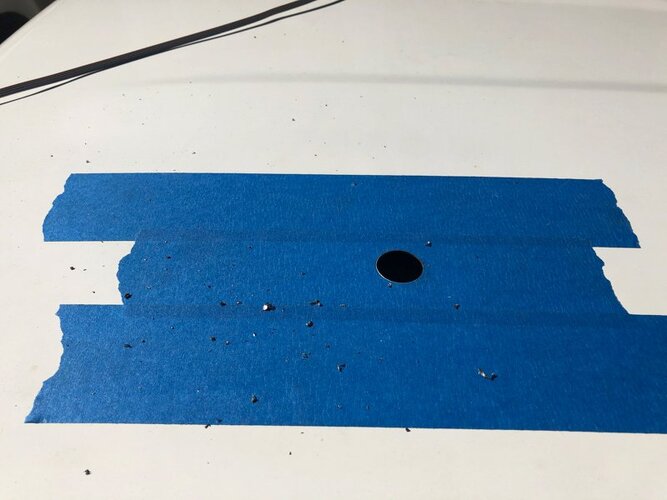
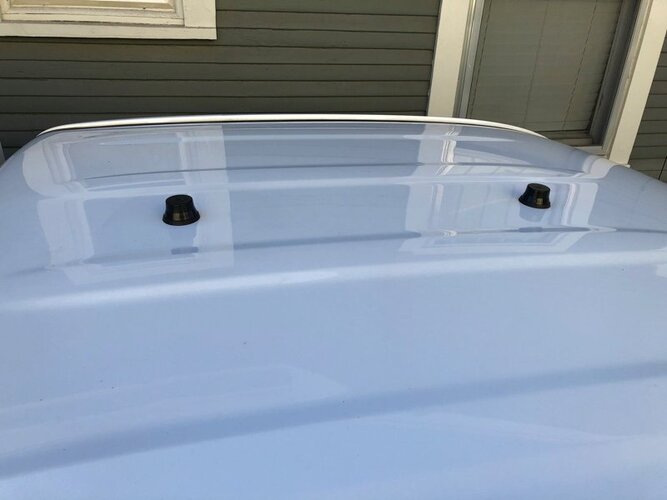
Install NMO base.
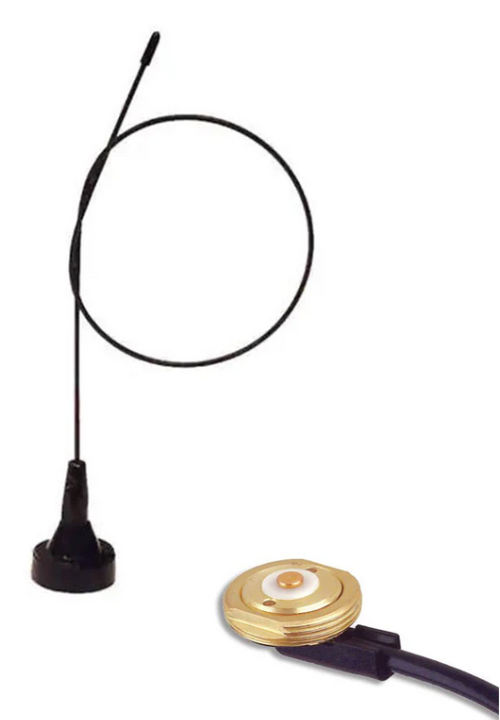
I use the Larsen NMO-HF.
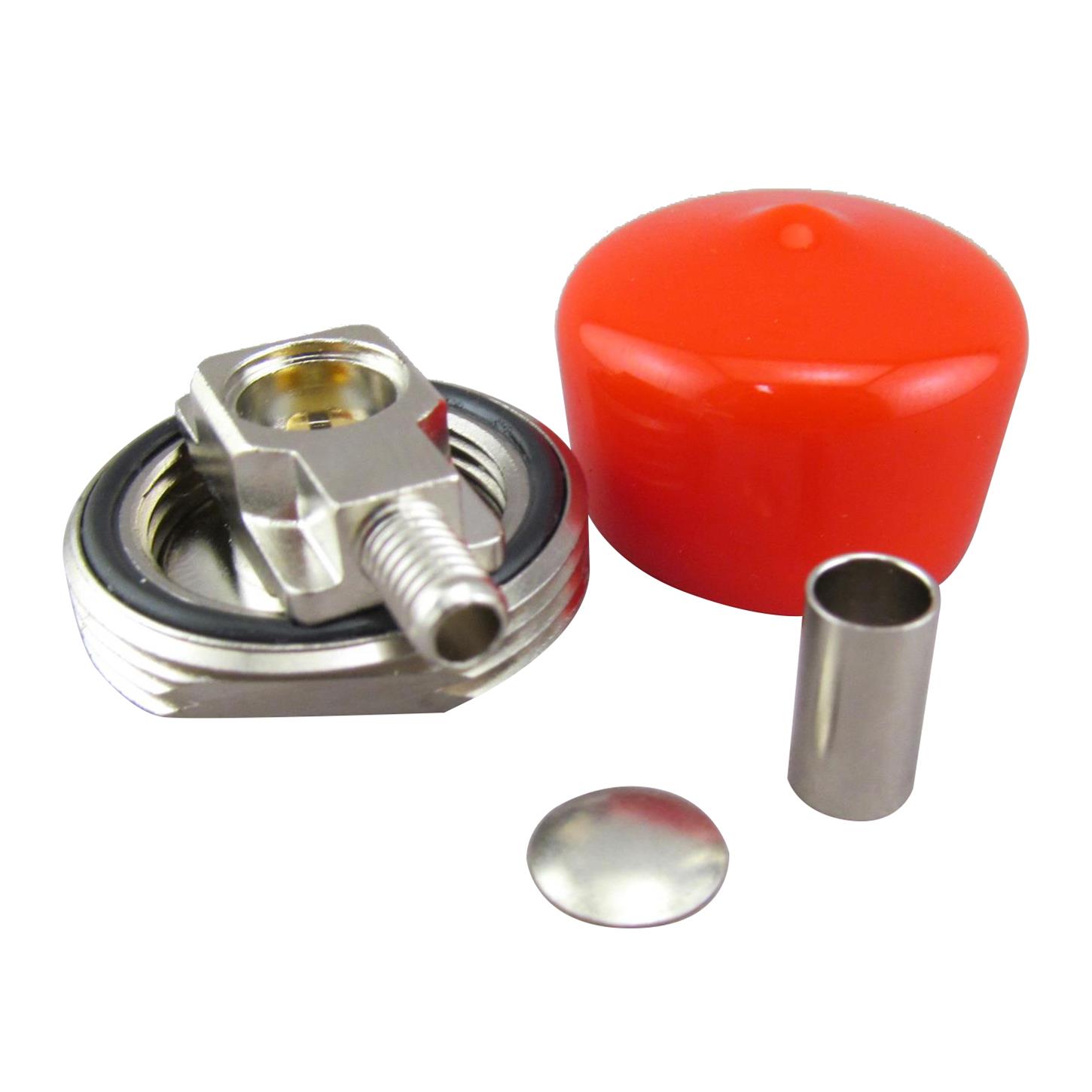
 www.dxengineering.com
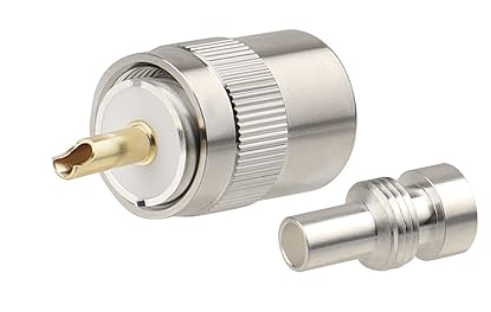
This requires crimping and soldering the coax. They make fully made up NMO bases but I have a crap ton of bulk coax and never need the whole 17 feet they include anyway.
The other benefit to the NMO-HF is it's good to 6 GHz, you know, if I ever need that. It's not that far fetched, these mounts support say a GPS antenna with no loss (e.g. L1/L2/L5 bands between 1.1 and 1.5 GHz). The coax I used would have some loss at those frequencies, though.
The go-to ready to roll is the Larsen NMO-K.
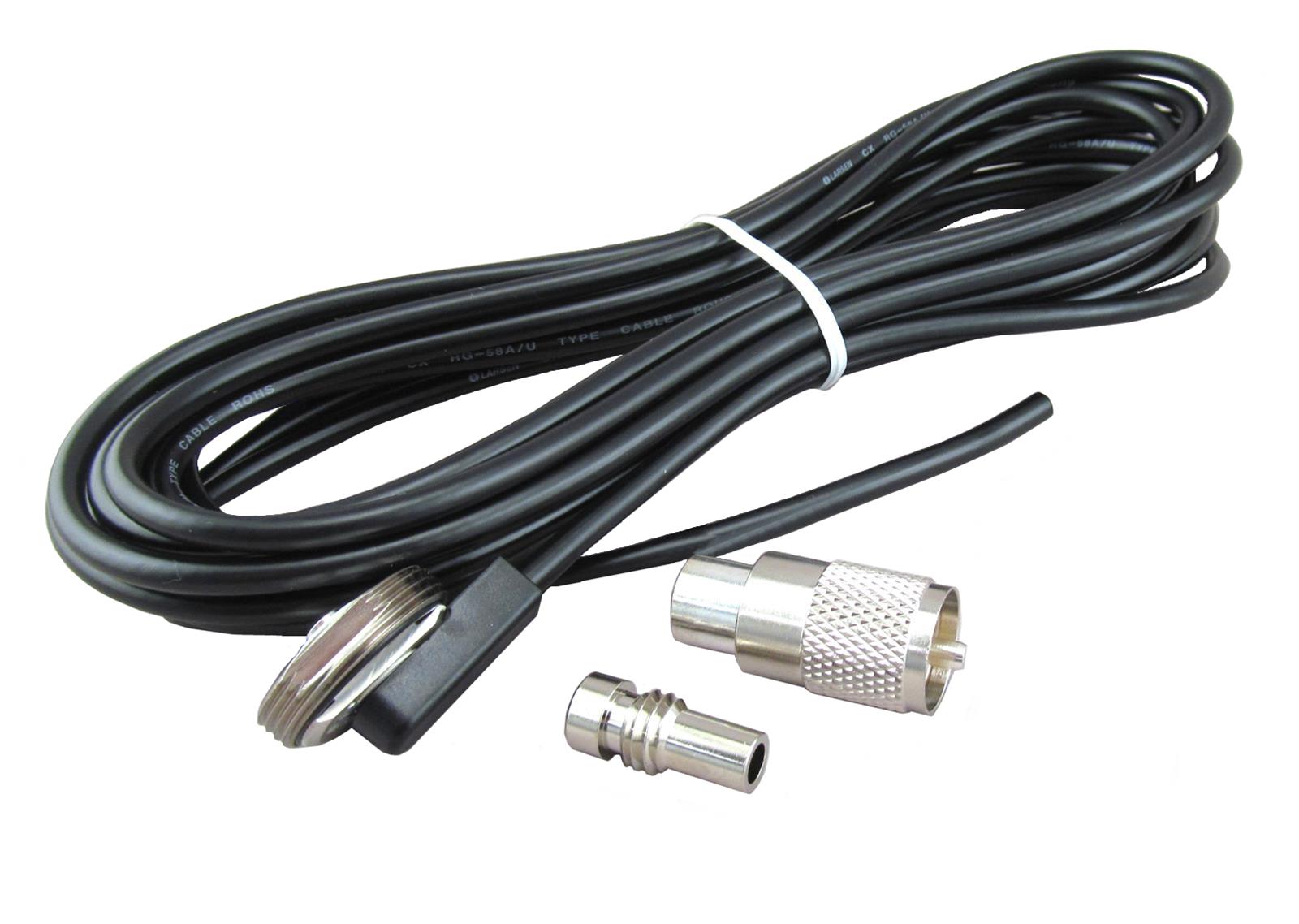 www.dxengineering.com
My preference is to spread the load a bit and increase surface to improve ground conductivity from the NMO base to the truck roof. I rough up the oversprayed paint on the underside of the roof, smear a very light coat of dielectric grease* and put a disk of aluminum that coincidentally the O.D. happens to match the largest hole saw blade I have and is 3/4" I.D.
I like a round shape over a square so there's no pointy ends to dimple the roof. Ham's choice here.
*Should note that if I had some I would have used weak bonding silver epoxy instead but didn't have any at the time.
Route cable.
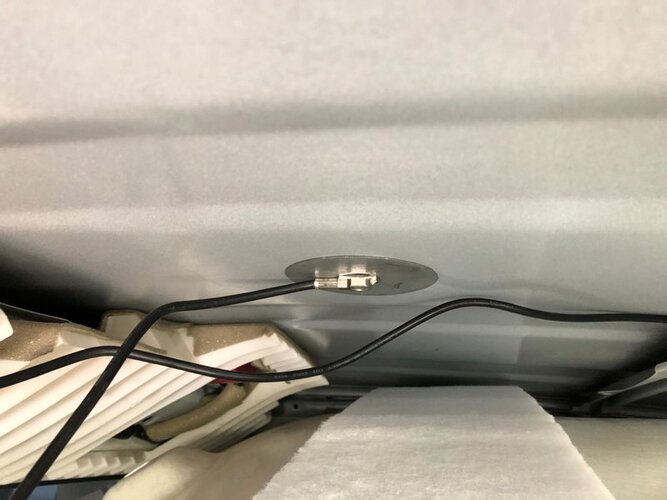
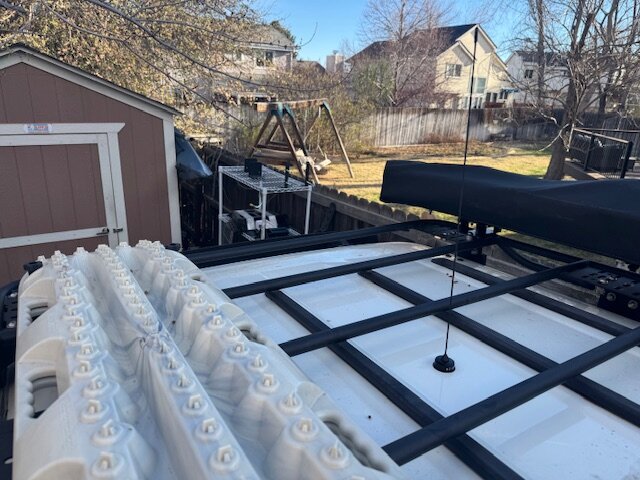
One done.
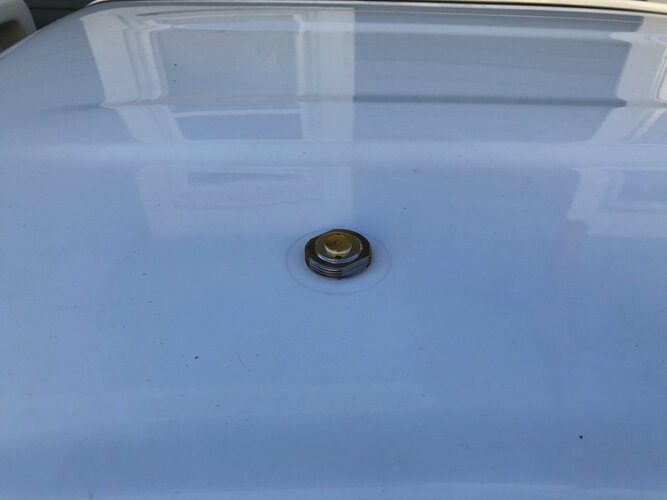
Repeat if so desired.
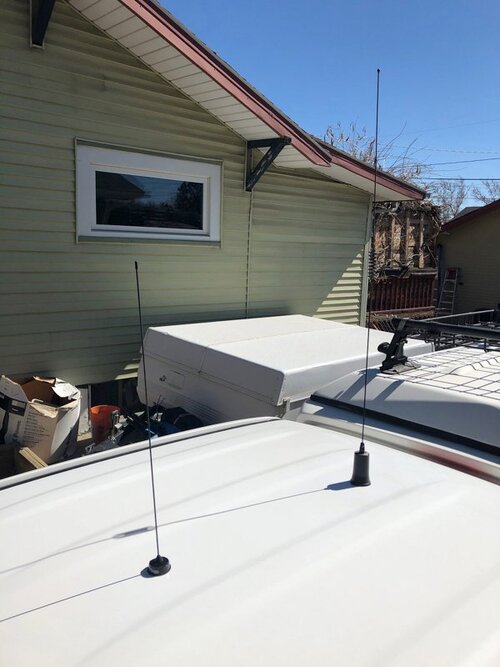
Antennas I use are Larsen NMO2/70B dual band applications and Stico Flexiwhip for any single band applications, GMRS, APRS, etc. If done with care you will get VSWR very near 1:1**. I have to run a network analyzer to measure it. My handheld tool isn't sensitive enough to measure it.
**Should note this is only the NMO base with a dummy load. My antennas show a slight reflection, it's darn near impossible not to have some reflection due to less than perfect counterpoise, real world materials, roof rack, etc. Having two antennas this close also is far from ideal, they noticeably interact.
Generously cover area with masking tape and mark preferred location.
Do pilot.
Punch hole. This is Greenlee 5003998 3/4" knockout.
Clean hole.
Install NMO base.
I use the Larsen NMO-HF.
LARSEN ANTENNAS NMOHF Larsen Mobile Antenna Mounts | DX Engineering
Free Shipping - Larsen Mobile Antenna Mounts with qualifying orders of $99. Shop Mobile Antenna Mounts at DX Engineering.
This requires crimping and soldering the coax. They make fully made up NMO bases but I have a crap ton of bulk coax and never need the whole 17 feet they include anyway.
The other benefit to the NMO-HF is it's good to 6 GHz, you know, if I ever need that. It's not that far fetched, these mounts support say a GPS antenna with no loss (e.g. L1/L2/L5 bands between 1.1 and 1.5 GHz). The coax I used would have some loss at those frequencies, though.
The go-to ready to roll is the Larsen NMO-K.
LARSEN ANTENNAS NMOK Larsen Mobile Antenna Mounts | DX Engineering
Free Shipping - Larsen Mobile Antenna Mounts with qualifying orders of $99. Shop Mobile Antenna Mounts at DX Engineering.
My preference is to spread the load a bit and increase surface to improve ground conductivity from the NMO base to the truck roof. I rough up the oversprayed paint on the underside of the roof, smear a very light coat of dielectric grease* and put a disk of aluminum that coincidentally the O.D. happens to match the largest hole saw blade I have and is 3/4" I.D.
I like a round shape over a square so there's no pointy ends to dimple the roof. Ham's choice here.
*Should note that if I had some I would have used weak bonding silver epoxy instead but didn't have any at the time.
Route cable.
One done.
Repeat if so desired.
Antennas I use are Larsen NMO2/70B dual band applications and Stico Flexiwhip for any single band applications, GMRS, APRS, etc. If done with care you will get VSWR very near 1:1**. I have to run a network analyzer to measure it. My handheld tool isn't sensitive enough to measure it.
**Should note this is only the NMO base with a dummy load. My antennas show a slight reflection, it's darn near impossible not to have some reflection due to less than perfect counterpoise, real world materials, roof rack, etc. Having two antennas this close also is far from ideal, they noticeably interact.
Last edited: